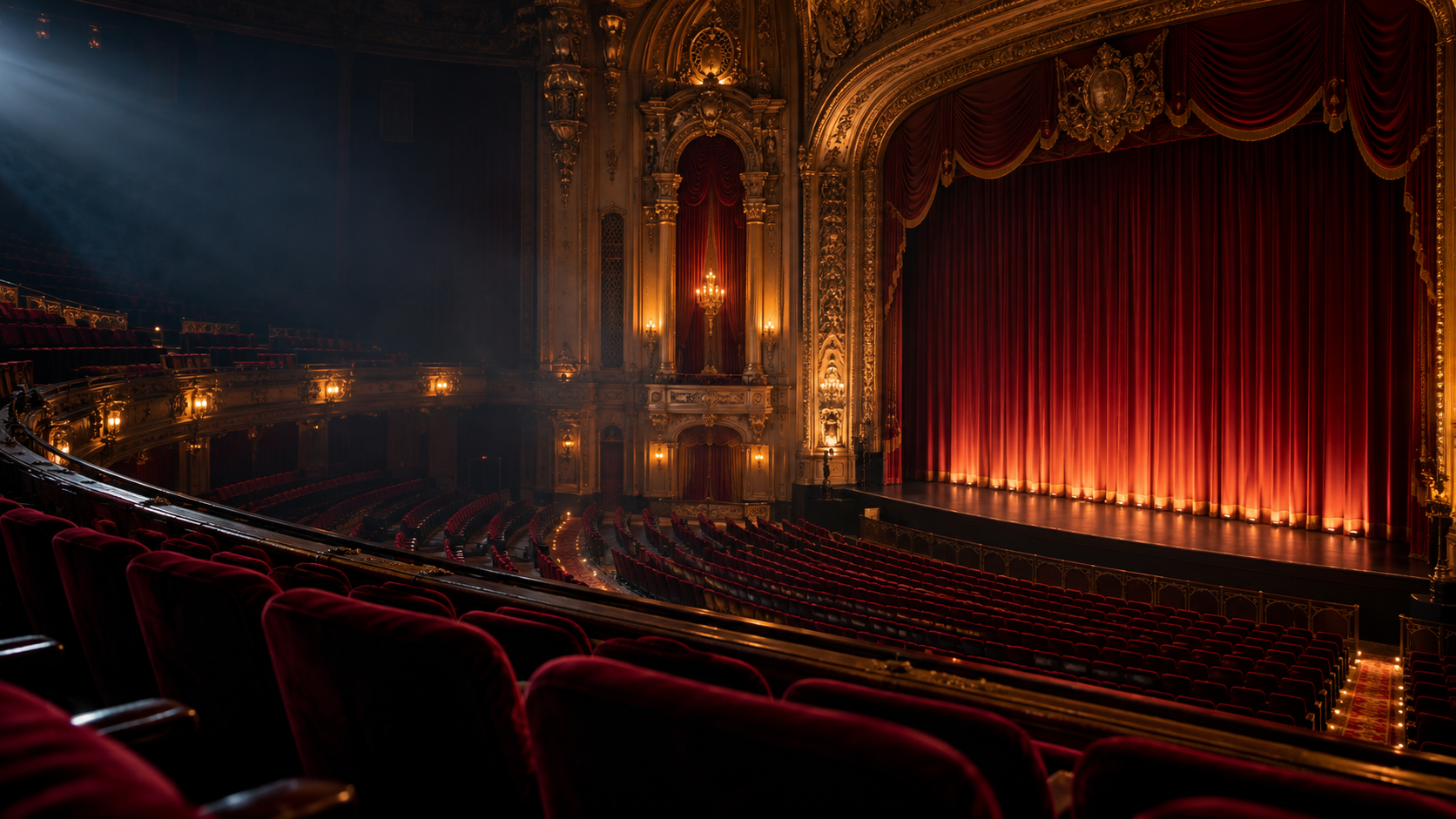
A film can travel from a theater to a living room to the small screen in a pocket. The images and dialogue may be the same, yet the experience changes with the place. At the movies, the lights go down, the phone becomes less tempting, and a room full of strangers agrees to give one story its time. That shared attention is part of what people are buying when they buy a ticket.
Scale has its own vocabulary. A long shot can ask an audience to explore a frame rather than simply identify the person at its center. A quiet scene can hold for a few seconds longer because the viewer is not one click from a different tab. Sound arrives from beyond the screen, and a collective laugh or a sudden silence becomes part of the memory of the film. None of this means a movie must be watched in a theater to be understood. It means the setting can change how closely we listen.
There is also a social dimension that does not require conversation. A screening lets people discover how others respond to the same scene, sometimes differently than expected. The audience does not make the movie, but it can make the viewing feel like an event. That quality is especially valuable for comedy, suspense, documentary, and any story that invites a strong response.
Home viewing has real advantages: access, comfort, cost, captions, and the freedom to pause. A serious film culture should welcome those choices. The question for theaters is how to make the trip worthwhile, with thoughtful programming, good projection, clear sound, accessible screenings, and reasons to return beyond one opening weekend.
The future of moviegoing is likely to be shaped less by nostalgia than by care. A theater earns its place when it offers a dependable encounter with films and a welcoming room in which to see them. The screen is large, but the real promise is focused time with a story and other people.